
New
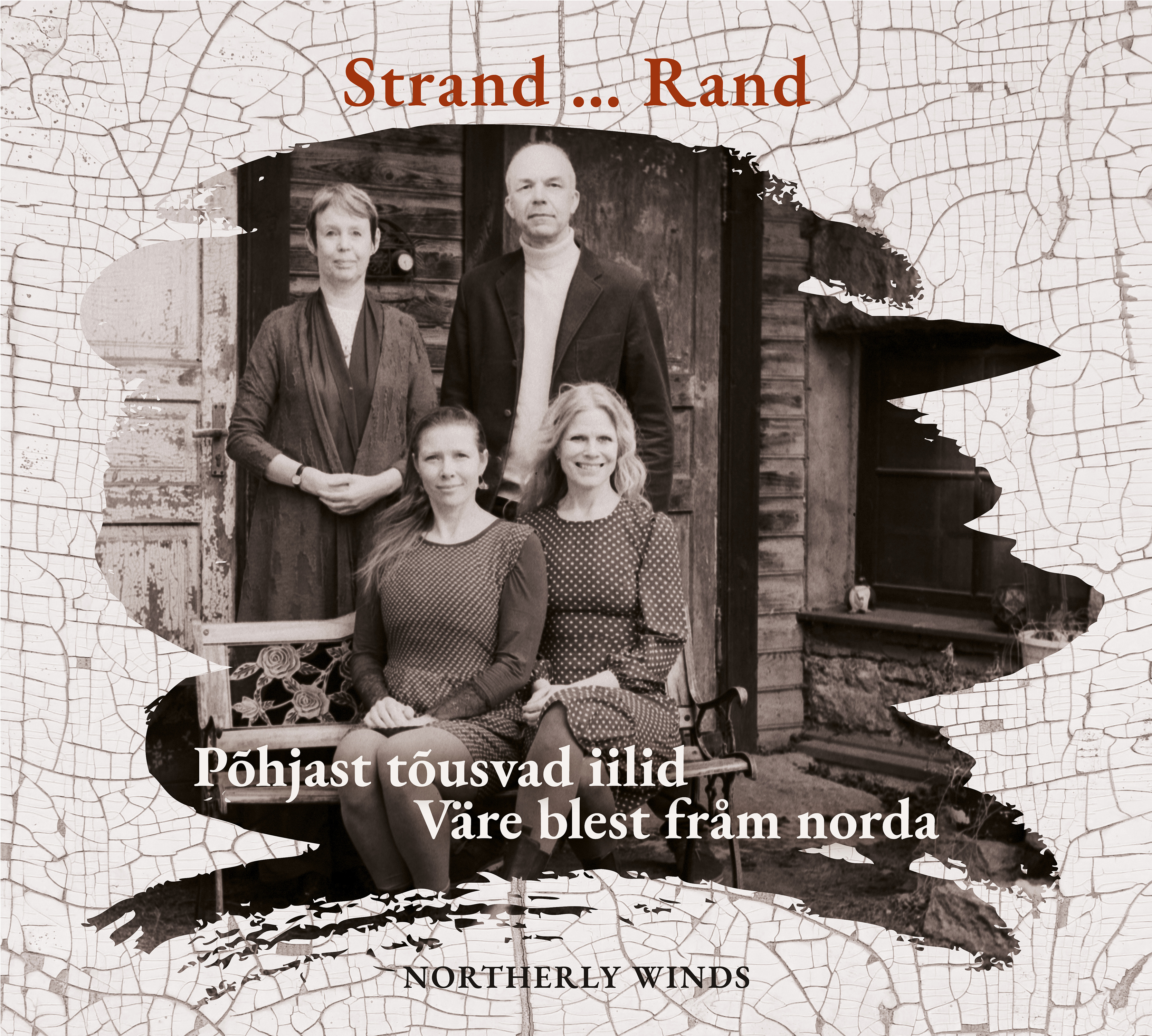
Strand...Rand (Sofia Joons and others) - Väre blest fråm norda – Northerly Winds - Põhjast tõusvad iilid (album)
165 SEK
If there were a genre called ‘documentary song’, Strand ... Rand's music would belong to it. The songs selected for the album Väre blest fråm norda - Northerly Winds - Põhjast tõusvad iilid bear the traces of those who sang, collected or wrote them and their life journeys. Sofia and Meelika weave together songs in Swedish, Estonian and Estonia-Swedish dialects into a multilingual sonorous whole. Robert and Mall help to emphasise the content and inner character of the songs with guitar and reed organ.
Description
The songs run like pearls in a necklace over a century, starting in the middle of the 19th century. The melody to the summer hymn Den blomstertid nu kommer was collected in Sweden in 1929, when Ukraine-Swedes had arrived in Sweden and stayed at a refugee camp in Jönköping. The text was translated into Estonian in Sweden after the Second World War and is still sung today at graduation ceremonies at the Estonian School in Stockholm Old Town. The lyrics of the Estonia-Swedish bard Mats Ekman capture the optimistic mood in the Estonia-Swedes’ settlements in Estonia in the first decades of the 20th century, when people were freed from both the Tsarist Russian rule and the Baltic German barons. Two of the songs on the album were written by Estonia-Swedes in Sweden after the Second World War. They are about the escape across the Baltic Sea in small boats and a feeling that was new to most Estonia-Swedish migrants - the aching homesickness.
Winds and waters have carried people and songs between the shores of the Baltic Sea throughout the ages. And they still do. We sing songs that have flown from Sweden to Estonia and become rooted. We also sing songs created by Coastal Swedes – first in Estonia, and after the Second World War in Sweden, with longing in their hearts.
Sofia Joons: vocals & violin
Meelika Hainsoo: vocals & violin
Mall Ney: reed organ
Robert Jürjendal: guitar
Guest: Lauri Õunapuu